
Designing With Employees, Not For Them
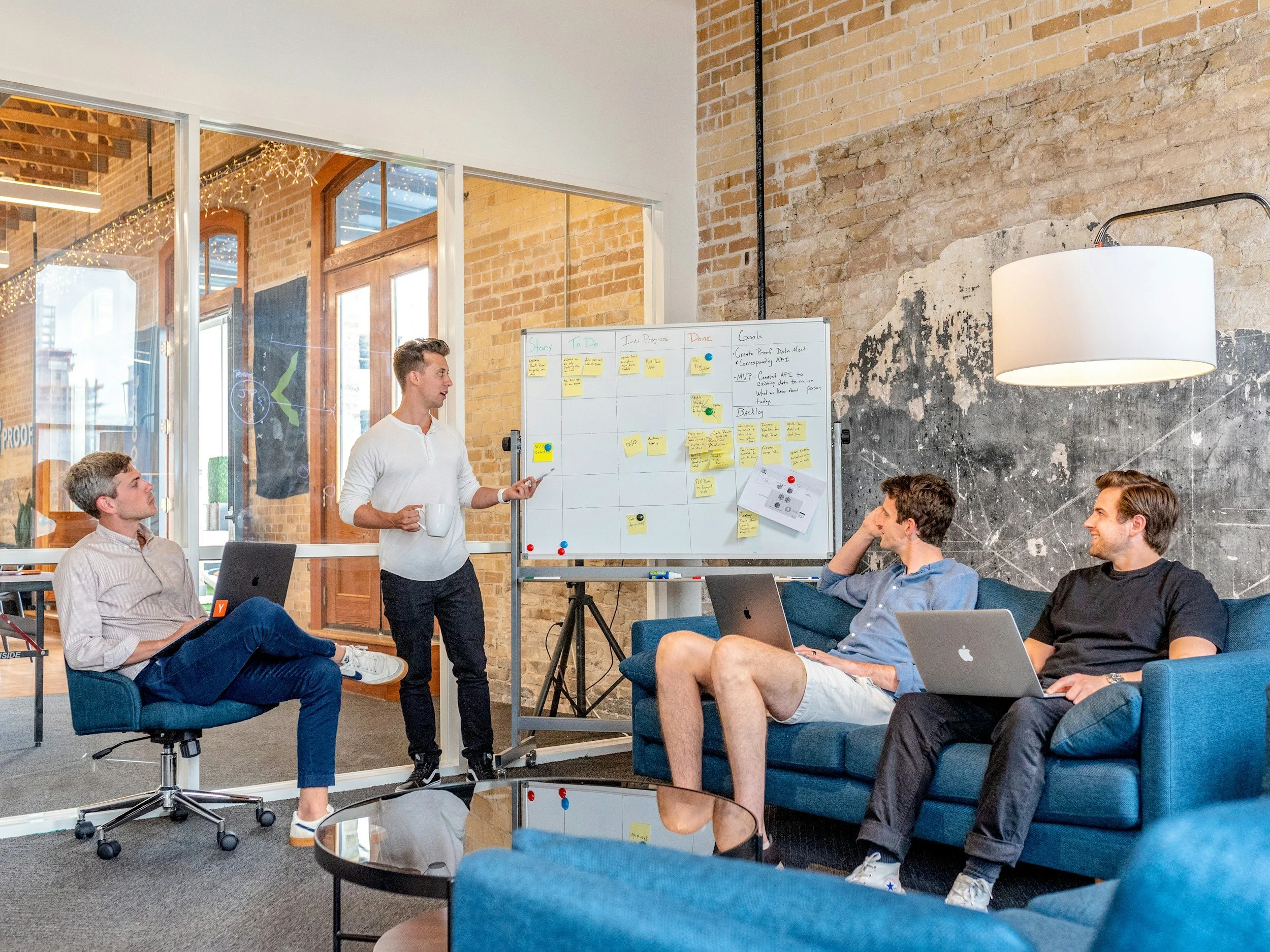
Every organization talks about transformation. Whether it’s adopting new technology, integrating AI, or rethinking workflows, the pace of change feels relentless. Yet for all the investment in tools and systems, too many transformations stumble on the same issue: they’re designed for employees, not with them.
Technology may enable transformation, but people determine whether it actually works. The difference between a rollout that sticks and one that fizzles usually comes down to one thing - how involved employees were in shaping it.
The Problem With “For”
When organizations design from the top down, even the best ideas can backfire. Leaders see efficiency; employees see disruption. The logic behind the change makes sense in a presentation but not in the day-to-day workflow.
Employees are smart. They know what actually happens between the policy and the outcome. They’ve built workarounds to cover gaps in process, they know which systems don’t talk to each other, and they’ve likely found clever ways to make things flow despite it all.
Ignoring that experience doesn’t just create friction - it wastes the very expertise that could make transformation easier.
Co-Design Creates Ownership
The most successful transformations aren’t dictated; they’re co-designed. That doesn’t mean every decision is made by committee. It means the people closest to the work have a real voice in shaping how the change happens.
When you bring employees into the design process early - through workshops, pilot feedback sessions, or informal listening tours - you get more than input. You get insight. You start to understand the human side of the process: where frustration builds, where tools get misused, and where small adjustments could have a huge impact.
This approach doesn’t slow things down. It builds ownership. When employees see their fingerprints on the design, adoption comes naturally. The change feels like something they built, not something that happened to them.
Technology That Serves, Not Shifts Burden
Too often, new tools make life easier for leadership but harder for teams. Dashboards, forms, and automation may improve visibility - but only if they’re built to support how people already work.
A simple rule of thumb: if a new system requires employees to double their clicks or duplicate data, it’s not transformation - it’s transfer of burden.
Organizations that get this right start small. They pilot new tech in one function, observe how employees adapt, and adjust before scaling. They measure not just efficiency gains, but experience improvements.
The lesson is simple: design technology around people’s work, not people around technology.
Making Co-Design Real
Leaders don’t need to overhaul their entire approach to start designing with employees. A few practical shifts can make a big difference:
Start with listening. Hold short sessions with teams to surface what’s hardest about their current process.
Prototype fast. Show early versions and invite reaction, not just approval.
Create internal champions. Identify employees who can bridge the gap between vision and reality.
Celebrate feedback. Reinforce that critique is part of the design, not resistance to it.
When employees see that their experience shapes the outcome, transformation moves from compliance to collaboration.
How Switch Can Help
At Switch, we help organizations put people at the center of transformation - where they belong. Our work focuses on co-designing change, aligning technology with real workflows, and building adoption through involvement rather than instruction.
Whether you’re introducing new digital tools or rethinking entire operating models, success starts by bringing the right voices to the table early.
If your team is ready to make your next transformation work with your people, not around them, we’d love to help you get started.